Spring is here in the Pacific Northwest — and if Whatcom County roads have taught us anything, it's that your car's paint takes a beating year-round. Hundreds of Bellingham drivers are Googling this question right now. Here's the honest answer.
What Is Paint Protection Film (PPF)?
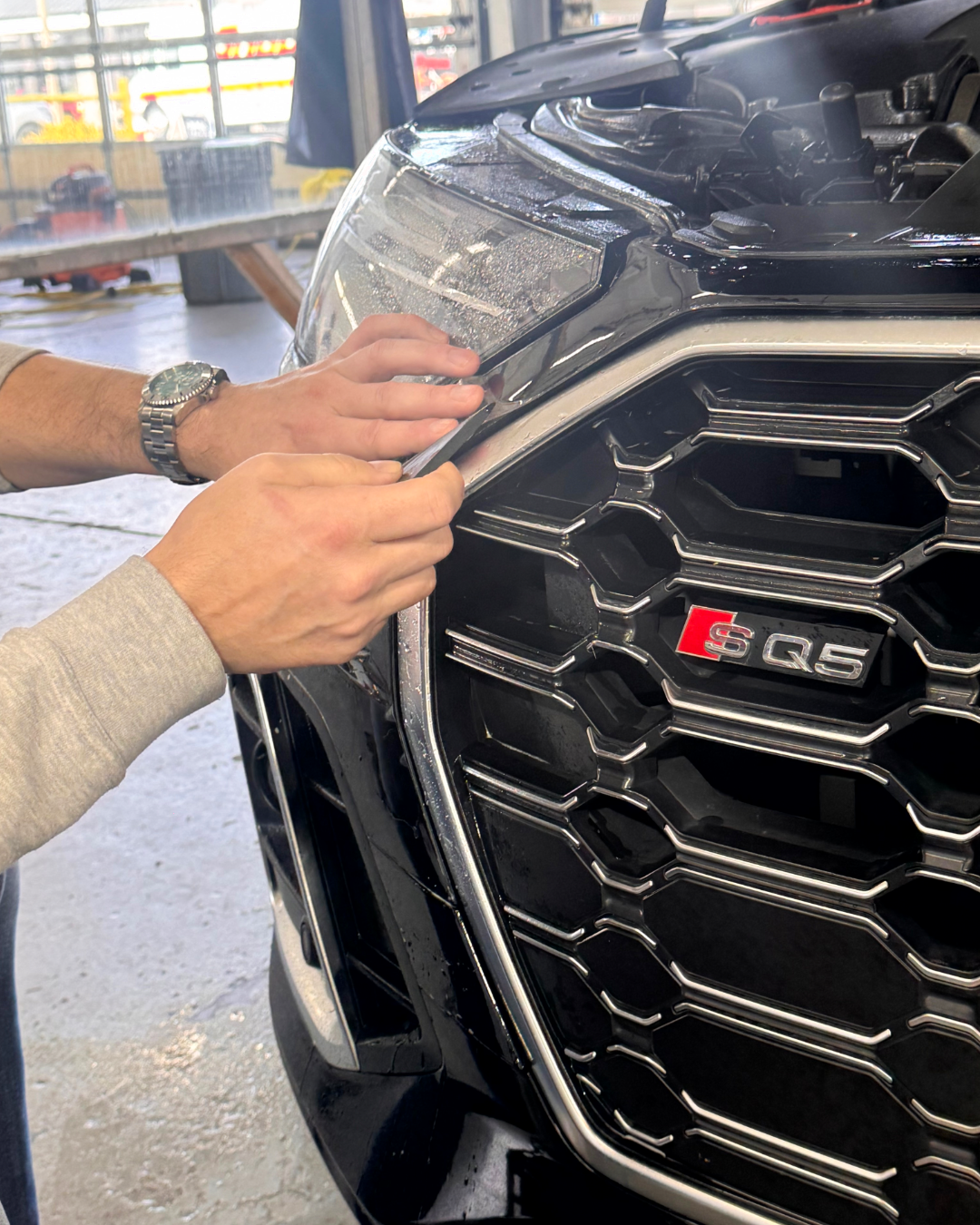
Paint Protection Film — also called PPF or "clear bra" — is a virtually invisible thermoplastic urethane film professionally applied to your vehicle's painted surfaces. Think of it as a sacrificial layer between your factory paint and everything the road throws at it: gravel, rock chips, bug splatter, road salt, UV rays, and tree sap.
Unlike a standard wax or even a ceramic coating, PPF is a physical barrier. Modern films are engineered with self-healing technology — minor surface scratches actually disappear on their own when warmed by sunlight or hot water. That's the elastic polymer topcoat reflowing back to its original shape.
Why Bellingham Drivers Are Searching for PPF This Spring
Spring is the most popular time to invest in paint protection, and there are clear reasons why:
4 reasons spring is the right time
- Winter damage is now visible. After months of rain and road grit, many Whatcom County drivers are noticing chips and micro-scratches on their bumpers and hoods for the first time.
- Summer adventures are coming. Highway 20 to North Cascades, weekends near Mt. Baker, gravel forest roads — summer in the PNW is beautiful and rough on your paint.
- UV exposure spikes. Those long Pacific Northwest summer days increase UV exposure that fades and oxidizes unprotected paint.
- Resale season is here. Spring and summer are peak selling seasons for vehicles. A chip-free, protected paint job commands more attention — and more money.
What Does PPF Actually Protect Against?
Road Threat
PPF Protection
Rock chips & gravel
Yes — absorbs and disperses impact energy before it reaches paint
Minor scratches & swirl marks
Yes — self-healing topcoat repairs itself with heat
Bug splatter & bird droppings
Yes — stain-resistant surface layer provides a buffer
UV rays & paint fading
Yes — blocks harmful UV from reaching factory paint
Road salt & chemical contaminants
Yes — chemical-resistant barrier
Tree sap
Yes — protective buffer reduces etching damage
Is PPF Worth the Investment? The Honest Answer
For most Whatcom County drivers, yes — especially on high-impact areas.
"A single panel repaint can run $1,000–$2,000+. A partial front-end PPF installation that covers those same panels typically costs $600–$1,500 and lasts 8–10 years with a warranty."
If you ever take Highway 2, I-5 north toward the border, or any gravel road in Whatcom County, your front bumper and hood are getting pelted every drive. PPF pays for itself in avoided repaints faster than most drivers expect.
Who Gets the Most Value from PPF?
Best candidates for PPF
- New vehicle owners — protecting factory paint from day one is far easier than restoring it later
- Lease drivers — end-of-lease wear charges for paint chips can be brutal; PPF removes that risk
- High-mileage commuters — especially those driving I-5 or SR-542 regularly
- Truck and SUV owners — rocker panels and lower doors take heavy abuse from road debris
- Anyone planning to sell in 1–3 years — a chip-free finish is a genuine resale advantage
PPF vs. Ceramic Coating — Do You Need Both?
This is one of the most common questions we hear at Final Touch Auto Spa. Here's the clear answer:
PPF is a physical shield. It stops rock chips and scratches from ever reaching your paint. Ceramic coating is a chemical bond. It creates a hydrophobic, gloss-enhancing layer that makes your car easier to wash and more resistant to environmental staining.
They are complementary — not competing. The most popular protection setup among Bellingham drivers right now is PPF on high-impact zones plus ceramic coating over the entire vehicle. You get impact protection where it matters most and easy-clean gloss everywhere else.
What Areas Should You Prioritize?
A smart partial installation covers the panels that take the most punishment from Whatcom County roads:
Panel
Why It Matters
Front bumper
The most chip-prone surface on any vehicle — takes the full brunt of road debris
Hood (full or leading edge)
Catches debris at highway speed across its entire surface
Fenders
Frontline protection alongside the hood
Side mirrors
Often overlooked, frequently chipped on highway drives
Door edges
Prevents parking lot paint transfer and door ding damage
Rocker panels
Critical for trucks, SUVs, and anyone driving unpaved roads
Spring 2026 PPF Pricing Guide for Whatcom County
Pricing varies by vehicle size, body complexity, and film brand. Final Touch Auto Spa offers free same-day estimates — call or stop by for your personalized quote.
Frequently Asked Questions
How long does PPF last?
Quality installations using premium film brands typically last 8–10 years with proper care, and most come with a manufacturer's warranty.
Can I wash my car normally after PPF installation?
Yes — and it actually becomes easier. PPF's hydrophobic surface repels dirt and grime, making washes quicker and less frequent.
Does PPF change the appearance of my paint?
High-quality PPF is virtually invisible when professionally installed. Gloss film maintains your original shine; matte film is available for a premium satin look.
Should I get paint correction before PPF?
If your paint has swirl marks, oxidation, or scratches, paint correction before PPF installation ensures the film bonds to a flawless surface and seals in that perfection — not the imperfections.
Can PPF be combined with window tinting?
Absolutely. Final Touch Auto Spa offers window tinting alongside PPF and ceramic coating — making us the most convenient one-stop protection shop in Bellingham.